 EN
ENFACIAL VEIN CARE IN BUCKS COUNTY

WHY FACIAL VESSELS STAND OUT
Long-term sun exposure can affect the skin and small vessel walls. As skin becomes thinner or less supportive with age, red, purple, or blue vessels may become easier to see.
Rosacea and repeated flushing can cause persistent redness and visible blood vessels, especially on the cheeks and nose. Treating a visible vessel does not cure rosacea.
Some people naturally have more superficial facial vessels, thinner skin, or a family tendency toward spider veins and broken capillaries.
Pregnancy, hormonal therapy, certain medications, trauma, surgery, and repeated skin irritation may contribute. Medical history should be reviewed before treatment.
COSMETIC CONCERN OR MEDICAL CHANGE?
Stable, painless facial veins are often a cosmetic concern. A new, changing, painful, or bleeding vessel should be evaluated before cosmetic treatment.
Persistent facial redness, burning, or flushing may also suggest rosacea or another skin condition that needs separate care.
A vessel that appears suddenly, enlarges quickly, changes color, or develops a new pattern should be examined before treatment.
Facial spider veins usually do not cause significant symptoms. Painful or inflamed areas may have another cause and should be assessed.
Repeated bleeding, crusting, ulceration, or a skin area that does not heal requires medical evaluation.
These symptoms may be related to rosacea or another skin condition. Treating visible vessels alone may not address the underlying problem.
Vision changes, eye irritation, or a prominent vessel near delicate eye structures should be evaluated by the appropriate medical professional.
FACIAL TREATMENT AREAS
Small red vessels often appear along the sides of the nose, near the nostrils, or across the bridge in fine branching patterns or concentrated redness.
Cheek vessels may appear as individual spider veins, clusters, or diffuse redness. Small vessels can also become visible on the chin or around the mouth.
Blue or green vessels beneath thin under-eye skin may be deeper than red surface capillaries. Some can be evaluated, while others may be structural or close to delicate anatomy.
Forehead and temple veins may become more noticeable with thin skin, heat, exercise, or changes in supporting tissue. Larger or deeper vessels require careful evaluation.
PERSONALIZED TREATMENT OPTIONS
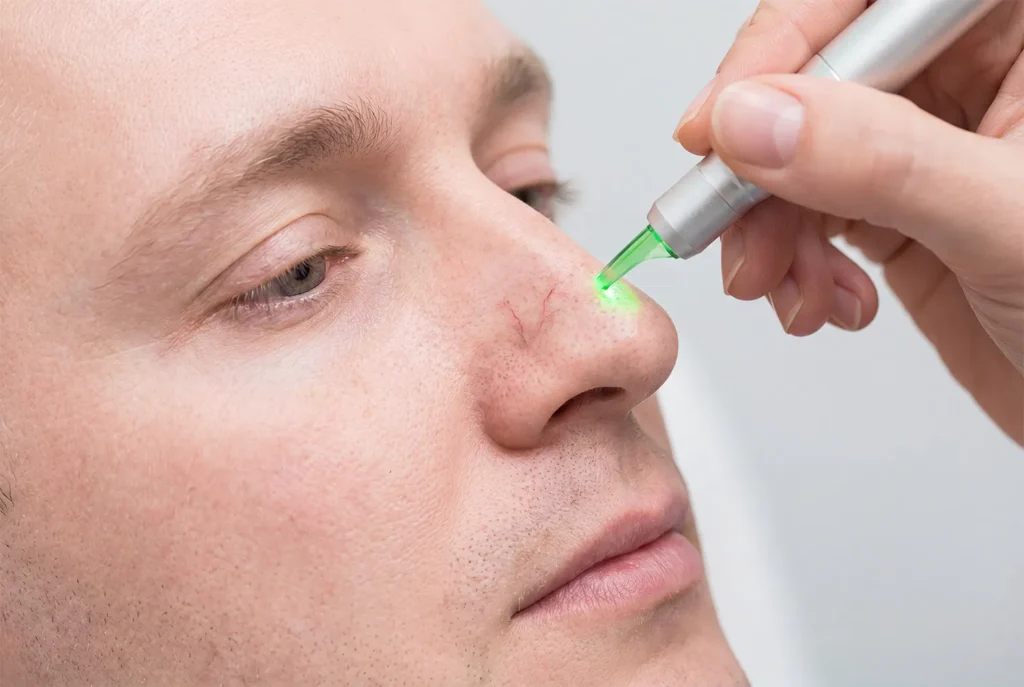
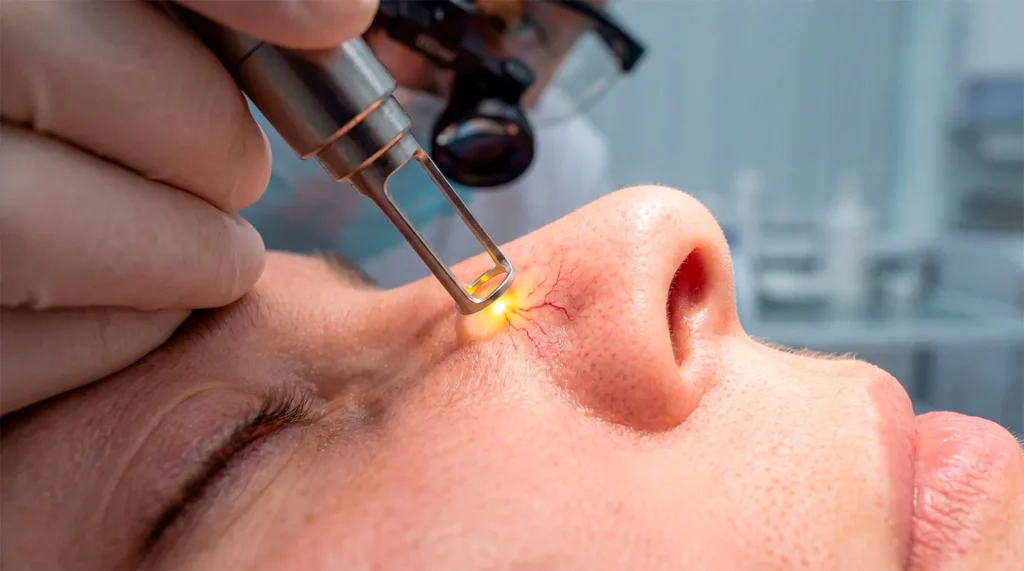
Focused light or energy can target selected facial blood vessels without a surgical incision. The vessel absorbs the energy, heats, and closes. The body then gradually clears the treated vessel, allowing it to fade from view.
Laser treatment is commonly considered for small red facial vessels and broken capillaries on the nose or cheeks. Planning must account for skin tone, vessel color, depth, sun exposure, active irritation, and surrounding skin sensitivity.
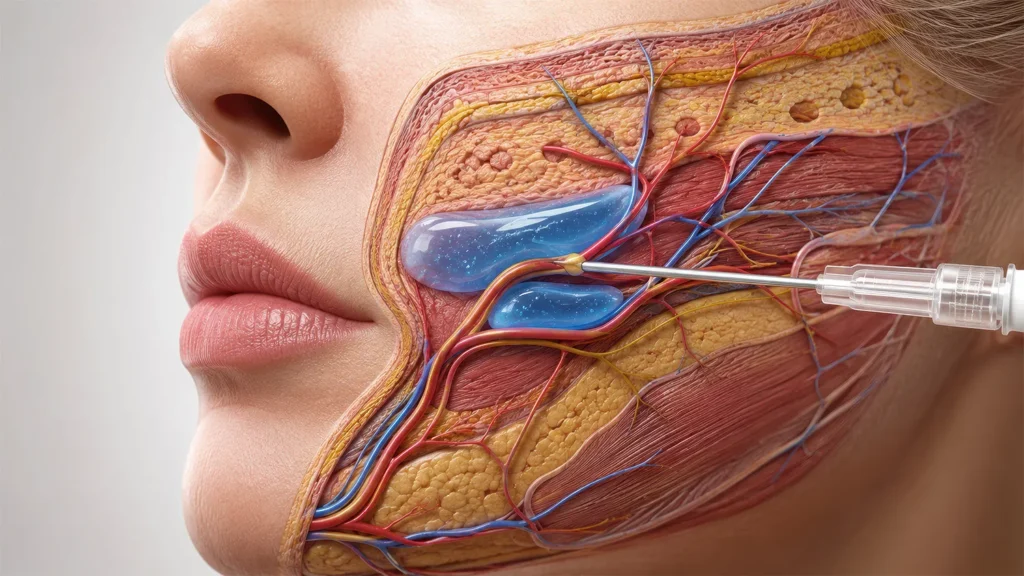
Sclerotherapy uses a very fine needle to inject a physician-selected solution into a targeted vessel. The solution causes the vessel to close, and the treated vein gradually fades as the body processes it.
It may be considered for selected larger or deeper facial veins when the anatomy and location are appropriate. It is not suitable for every facial vessel or every area around the eyes, nose, forehead, or temples.
MATCHING THE TREATMENT TO THE VESSEL
Fine red capillaries and larger blue veins may require different approaches.
Red, purple, blue, branching, clustered, or diffuse vessels may respond differently.
The nose, cheeks, chin, around-eye area, forehead, and temples have different anatomy and sensitivity.
Skin tone, sun exposure, rosacea, active irritation, and previous treatment can affect the plan.
Medications, pregnancy, light sensitivity, bruising tendency, cold sores, allergies, and expectations should be reviewed.
TREATMENT RESULTS
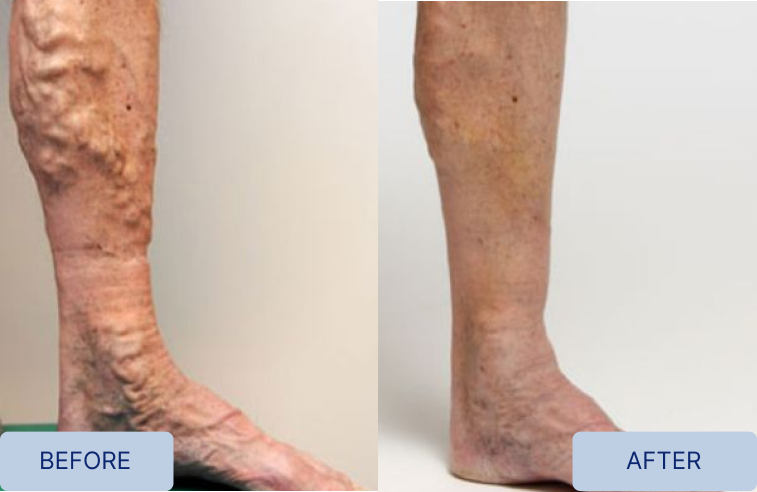
Treated vessels may become less visible over days or weeks as the body clears them.
Some vessels may improve after one session, while other areas may need staged treatment.
Results vary by vessel size, depth, color, location, and surrounding skin.
BEFORE, DURING & AFTER TREATMENT
The care team confirms the treatment area, medical history, medications, skin products, and expectations. You may be asked to arrive with clean skin and no makeup or lotion on the area.
The skin is cleaned. Protective eyewear, cooling, topical numbing, or another comfort measure may be used depending on the treatment and facial location.
The physician uses controlled energy pulses or a very fine injection to treat the selected vessels while monitoring the skin response.
Temporary redness, warmth, swelling, bruising, or darkening of a treated vessel may occur. Written aftercare instructions are provided before you leave.
Many patients can return to routine activities relatively quickly. Sun exposure, heat, strenuous exercise, makeup, or irritating skin products may be limited temporarily.
Treated vessels may fade gradually over days or weeks. Follow-up can help determine whether the area responded as expected or whether another session is appropriate.
COMFORT, RECOVERY & RESULTS
1
The skin may look red, feel warm, or appear mildly swollen. A treated vessel may look temporarily darker or more noticeable before it begins to fade.
2
Mild bruising, tenderness, flaking, crusting, or discoloration may occur. Use gentle skin care, avoid rubbing or picking, and follow sun-protection instructions.
3
The treated vessel may gradually fade as the body clears it. Improvement may occur at different rates across the nose, cheeks, around the eyes, forehead, or temples.
4
A successfully treated vessel may remain less visible, but new facial veins can develop because treatment does not stop sun exposure, aging, rosacea, genetics, or hormonal changes.
SAFETY, RISKS & REALISTIC EXPECTATIONS
Redness, warmth, swelling, bruising, temporary darkening or purpling, flaking, and skin sensitivity may occur. Pigment changes, blistering, burns, infection, or scarring are less common but possible.
Bruising, swelling, tenderness, firmness, pigmentation changes, or small new surface vessels may occur. Less common complications can include skin injury, inflammation, allergic reaction, or a blood clot.
Treatment cannot prevent new vessels from forming, cure rosacea, remove every type of facial redness, or correct under-eye darkness caused by shadows, pigmentation, or volume loss. Some vessels cannot be treated safely, and complete clearance cannot be guaranteed.
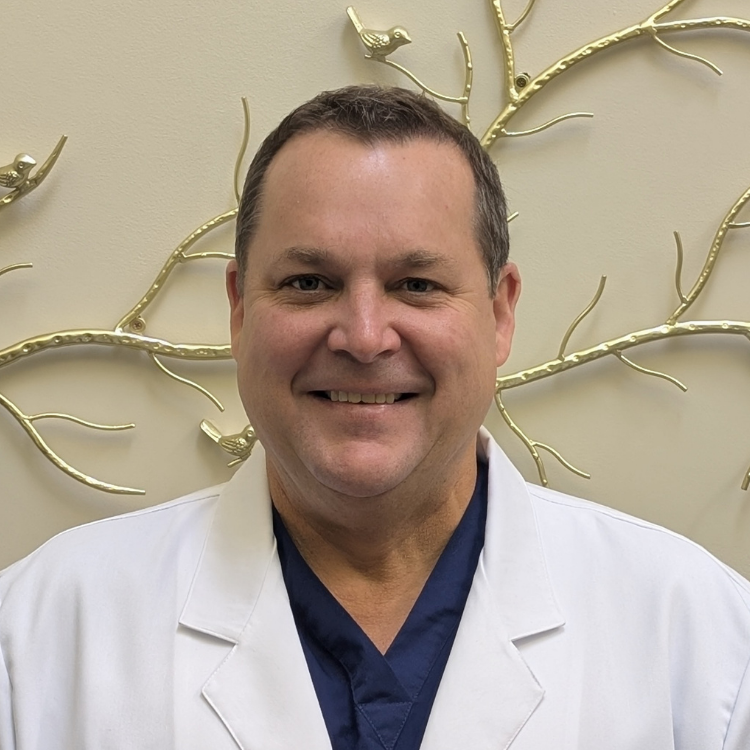
PHYSICIAN-LED FACIAL VEIN CARE
Dr. Christopher Kowalski combines extensive surgical training with a personalized approach to vein care. He earned his medical degree at Temple University School of Medicine, completed his general surgery residency at The Washington Hospital Center, and pursued fellowship training in advanced laparoscopic and bariatric surgery at St. Peter’s University Hospital.
For facial vein treatment, his role is to determine whether the concern is a small surface vessel, a larger facial vein, or a skin condition that may require different care. He will explain which areas may be treated, what method may be appropriate, and what limitations or risks apply to the individual patient.
COST & COVERAGE
Facial vein treatment is commonly performed to improve appearance and is usually self-pay. Insurance generally does not cover treatment performed only for cosmetic reasons.
The total cost depends on the number and size of the vessels, the facial areas being treated, the method recommended, and whether more than one session is needed. After evaluating the vessels, the clinic can explain the proposed plan and expected costs before you decide to proceed.
Treating a single isolated vessel may require a different plan than treating multiple areas of the face.
The nose, cheeks, chin, around-eye area, forehead, and temples may require different treatment decisions.
Pricing may vary depending on whether an energy-based procedure, sclerotherapy, or another approach is recommended.
Some patients need more than one treatment or a follow-up visit to address remaining vessels.
VISIT THE CLINIC
COMMON QUESTIONS
READY TO DISCUSS YOUR OPTIONS?