

Physician-led vein care in Bucks County
Bucks County Vein Specialist
- 2,500+ Happy Patients
- 10,000+ Vein Treatments
- Board-Certified Surgeon and Vein Specialist
Board Certified Surgeon and Vein Specialist
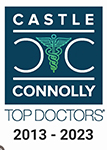

Common signs of vein disease
There Is No Reason to Live With Aching, Tired, or Swollen Legs
Leg Pain, Aching, or Cramping
Skin Changes / Discoloration
Leg or Ankle Swelling
Leg Heaviness & Fatigue
Ulcers / Sores / Open Wounds
Restlessness in the Legs
Tingling or Burning in Leg
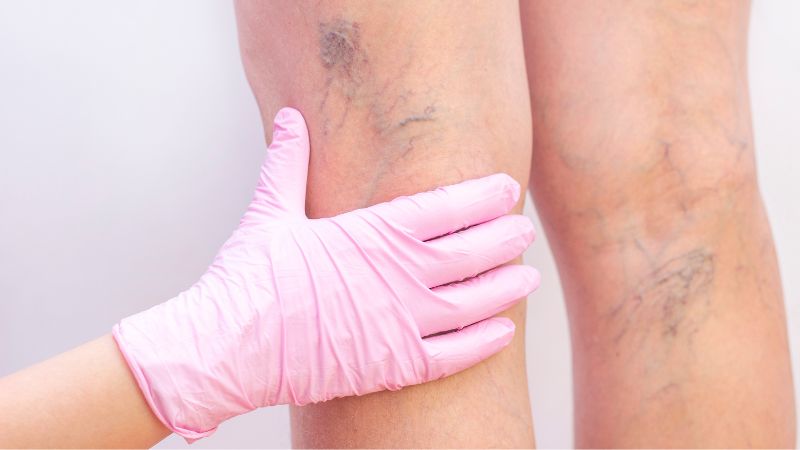
Varicose and Spider Veins
Why patients choose us
Clear Diagnosis, Physician-Led Care, and a Personalized Plan
Center for Vein Medicine combines on-site evaluation, minimally invasive treatment options, and direct physician involvement throughout care.
On-Site Diagnostic Support
When appropriate, ultrasound assessment and results can be completed on site.
Minimally Invasive Options
Treatment is selected according to diagnosis, anatomy, symptoms, and goals.
Insurance and Self-Pay Guidance
The team explains coverage considerations and anticipated costs before treatment.
Focused Follow-Up
Patients receive written aftercare instructions and follow-up based on the procedure.
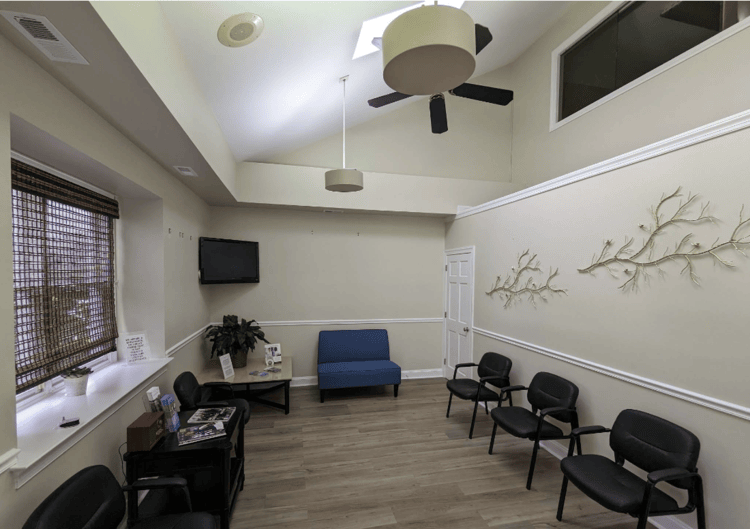
Comfortable, Physician-Led Care in One Convenient Location
15-45 min
Many in-office treatments
On Site
Evaluation and ultrasound
Yardley
Bucks County clinic
MEET YOUR VEIN SPECIALIST
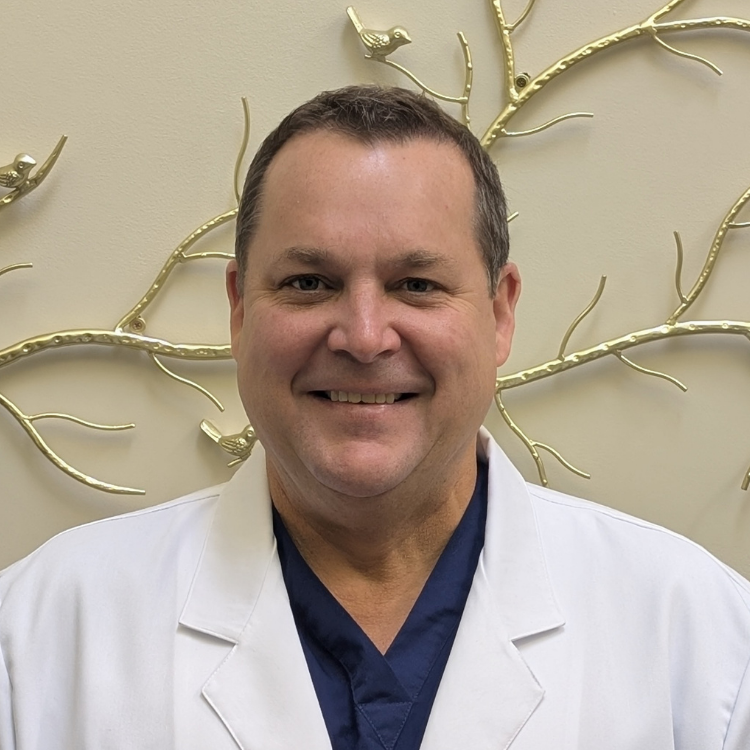
Meet Christopher Kowalski, MD, FACS
Dr. Kowalski combines extensive surgical training with a personalized approach to vein care. He earned his medical degree at Temple University School of Medicine, completed his general surgery residency at The Washington Hospital Center, and pursued fellowship training at St. Peter’s University Hospital.
His role is to identify the source of a patient’s concern, explain the available options, and recommend care only after an appropriate evaluation.
- Board-Certified Surgeon and Fellow of the American College of Surgeons
- Medical Director, Center for Vein Medicine
- Physician-led treatment planning and follow-up
Vein care you can trust
Top Rated Vein Clinic in Bucks County


Treatment options
Minimally Invasive Vein Treatments Selected for Your Diagnosis
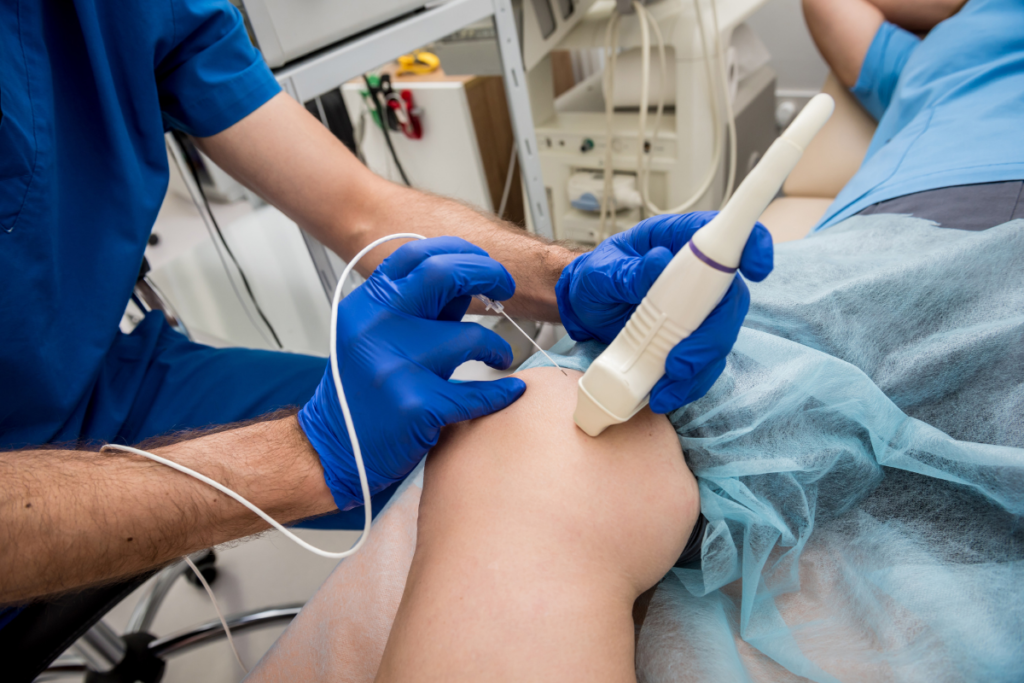
Radiofrequency Ablation
VenaSeal and Varithena
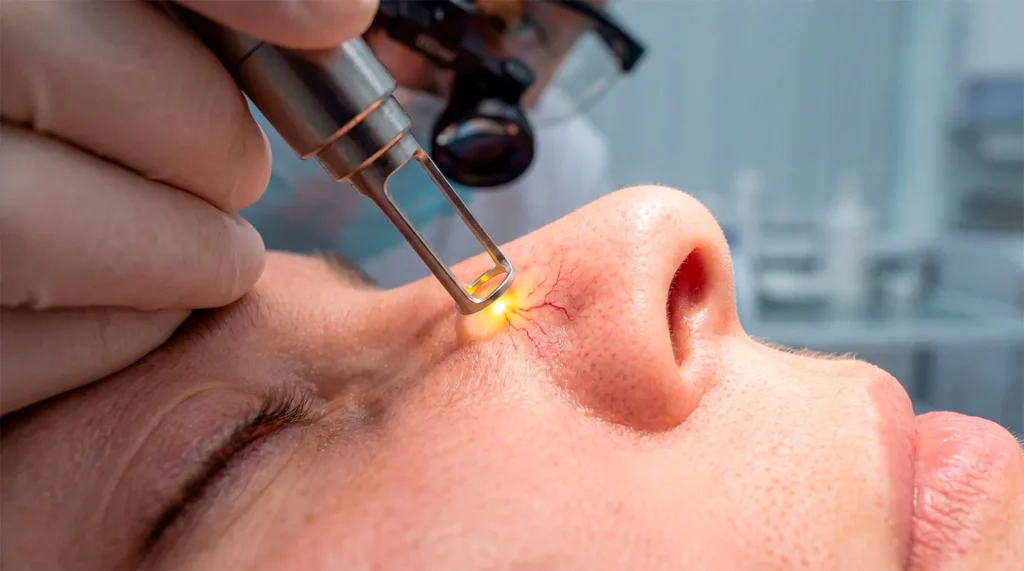
Facial Vein Treatment
Specialized care for visible vessels
Hand and Facial Vein Treatment With Dr. Kowalski
Board-Certified Surgeon
Fellow of the American College of Surgeons
Physician-Led Evaluation
Personalized Treatment Selection

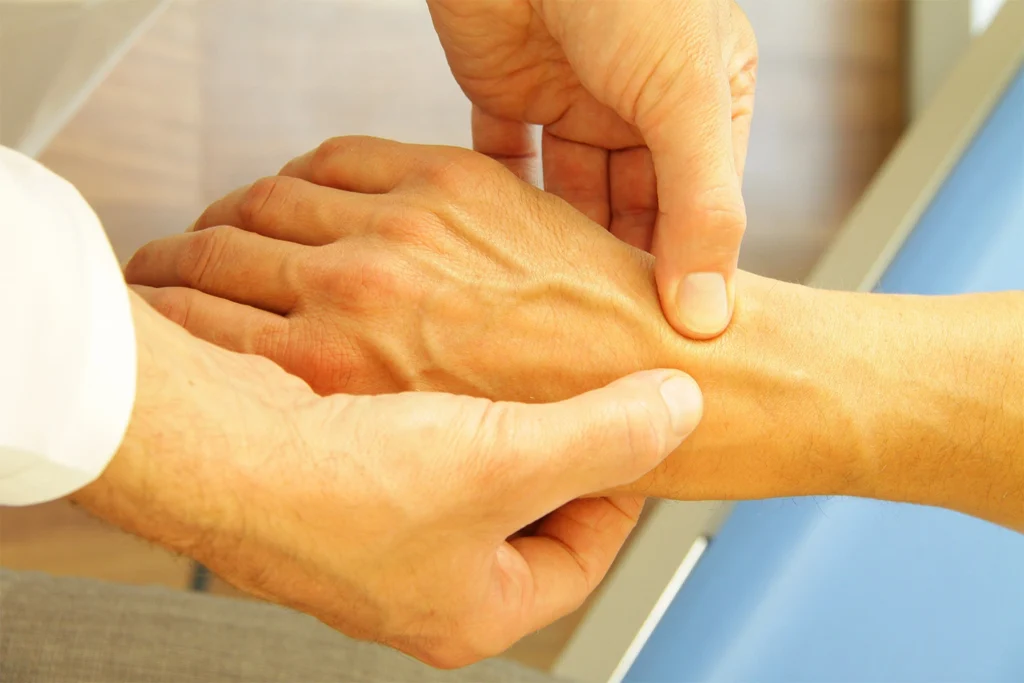
Visible or Bulging Hand Veins
- Sclerotherapy for selected surface veins
- Microphlebectomy for selected larger or raised veins
- Treatment planned around hand anatomy and circulation
Facial Spider Veins and Broken Capillaries
- Care for selected nose, cheek, chin, and facial vessels
- Treatment based on vessel color, depth, and skin sensitivity
- Realistic guidance on results, recovery, and limitations
What to expect
Your Vein Treatment Process
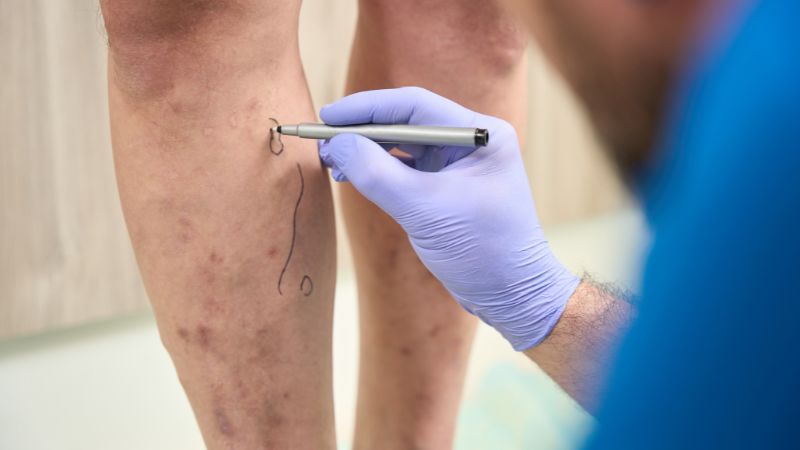
Consultation
Discuss symptoms, visible veins, medical history, and treatment goals with the care team.
Ultrasound Evaluation
When medically indicated, ultrasound helps identify venous reflux and supports an accurate diagnosis.
Personalized Treatment Plan
Dr. Kowalski explains suitable options, expected benefits, recovery, costs, and next steps.
Treatment and Follow-Up
Receive in-office care, written aftercare instructions, and follow-up based on the procedure.
Get relief today.
Visit the clinic
Vein Care in Yardley, Bucks County
Center for Vein Medicine
Address: 301 Oxford Valley Road, Suite 701, Yardley, PA 19067
Hours: Monday-Thursday 9:00 AM-5:00 PM; Friday 9:00 AM-4:00 PM
Phone: 215-757-5131
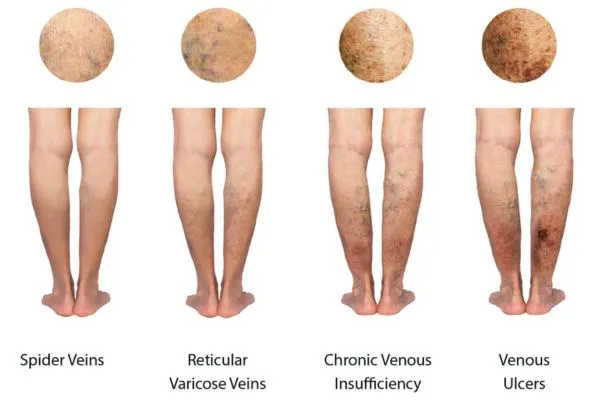
Why treatment should not be delayed
Treatment for Varicose Veins
Symptoms Can Worsen Over Time
Venous disease may progress, making pain, swelling, heaviness, and skin symptoms more noticeable.
A Proper Diagnosis Matters
Ultrasound can help distinguish venous reflux from other causes of leg symptoms.
Many Treatments Are Minimally Invasive
Selected in-office options can be completed with limited downtime, depending on the patient and procedure.
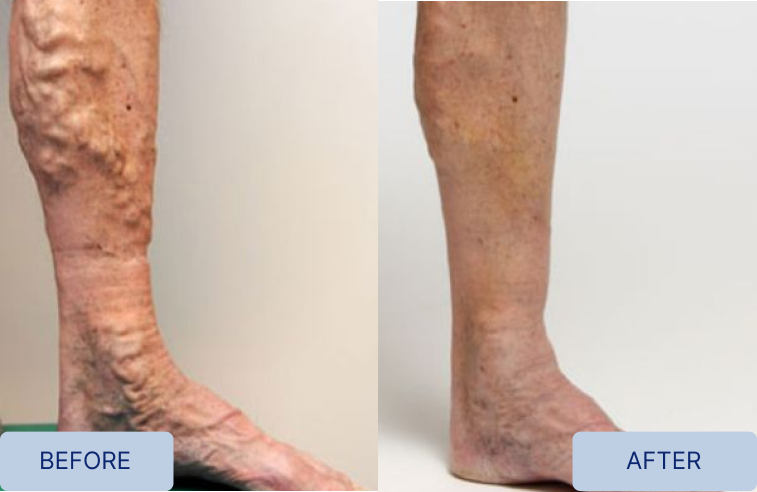
Patient results and experience
Trusted by Patients Across Bucks County
Results and recovery vary by treatment and individual response.
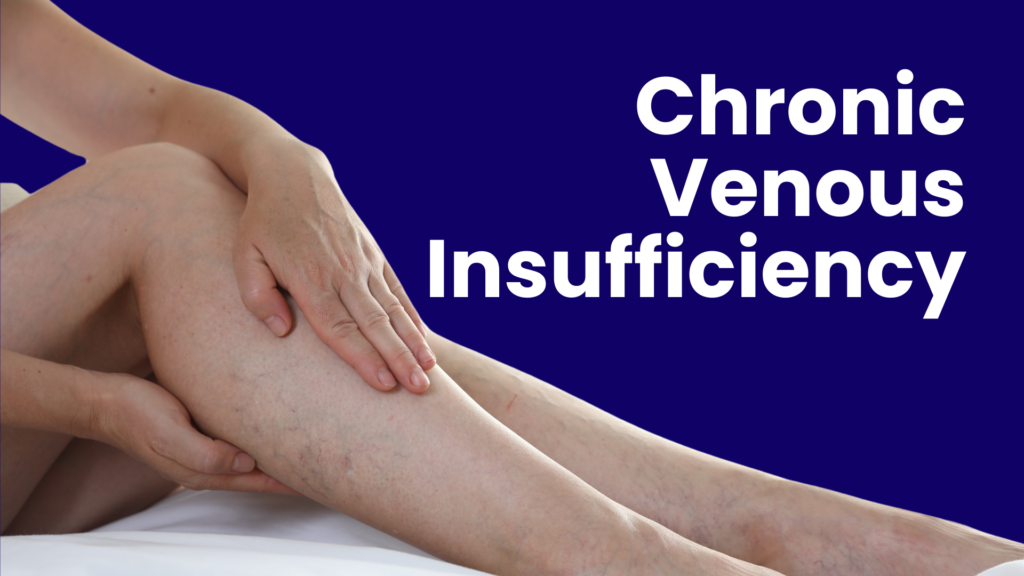
Is It Vein Disease?
Learn about vein disease and treatment
Vein Disease Videos
What is Vein Disease?
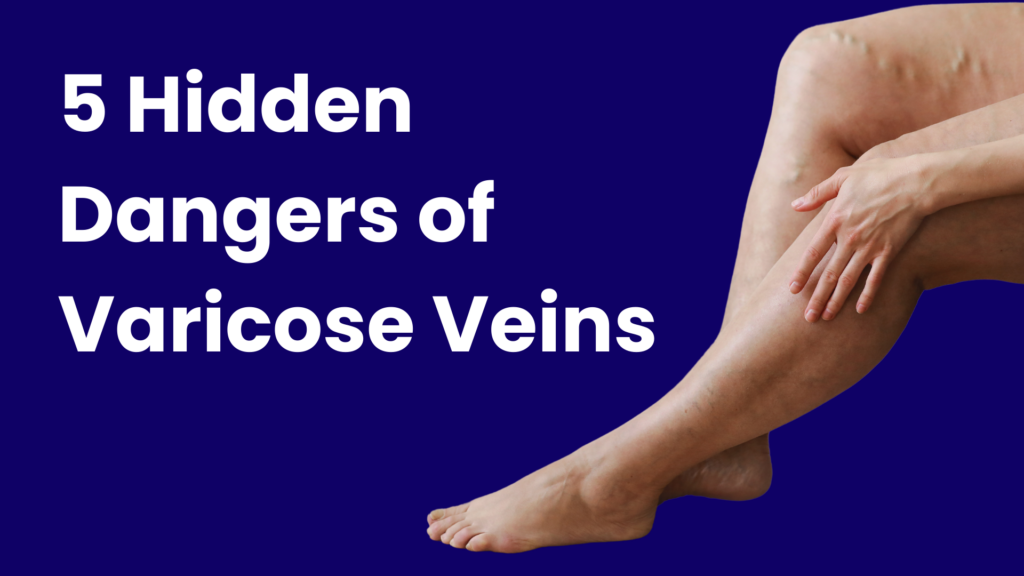
Dangers of Varicose Veins
How We Treat Vein Disease
Answers to common vein questions
Frequently Asked Questions
In your leg, you have two sets of veins. They are called deep veins and superficial veins.
Deep veins are in the deeper part of the leg where the muscles are, and superficial veins are right under the skin.
In a normal person, the blood circulates from the feet toward the heart in both veins.
When someone has venous insufficiency, the blood will go up the deep veins and back into the superficial vein.
The blood will start pooling in the superficial veins.
Since the superficial veins are closest to the skin, they will bulge and create varicose veins. They are often bluish or purple.
Spider Veins are essentially a smaller version of varicose veins. They are red, purple, and blue vessels that are also twisted and turning. They are most often seen on the legs, chest, or face.
No. Varicose veins can occur deeper in the leg, where one can’t see them. Varicose veins are classified under the spectrum of venous insufficiency disease.
Venous insufficiency disease causes leg discomfort, swelling of the ankles and leg, itching, and weariness. Other signs and symptoms may be prickling, cramping, aching, and heaviness of the lower limbs after prolonged standing.
Keep an eye out for these symptoms besides simply visible veins.
In short, no. Exercise and compression stockings may help reduce some of the symptoms of varicose veins, but usually, only medical treatment can eliminate a varicose vein.
Varicose veins do not always require treatment, but symptoms may worsen over time in some patients. Possible complications can include skin changes, inflammation, bleeding, ulcers, or superficial blood clots. Deep vein thrombosis (DVT) is a separate condition involving a blood clot in a deeper vein and requires prompt medical evaluation if symptoms such as sudden leg swelling, pain, warmth, or redness develop.
1) Consult – We start you with a consultation where you will be listened to and encounter a friendly staff that will ensure you get the best care. On the first visit, that care will come from our expertly trained team, including Dr. Kowalski and an ultrasonographer.
2) Ultra Sound – After the consult, we move on to the assessment, providing you with an accurate diagnosis. You will get the same-day ultrasound and results on-site while you see the provider. This will get you back to life as swiftly as possible.
3) Treatment Plan – After we conclude our assessment, we will provide you with a treatment plan.
There are many different options, such as Radiofrequency Ablation (RFA), sclerotherapy, pneumatic compression, and more. We will ensure you get the perfect customized treatment based on your needs and outcome goals.
It is normal to have some minor discomfort during the procedure. We will do everything we can to make this as relaxing and comfortable an experience as possible. After the procedure, patients may experience minor bruising or discomfort in the area of the treated vein, which normally resolves in 3-4 weeks. Overall, patients report minimal pain/discomfort and can go back to doing the things they love.
Patients usually return to work and activities on the very same day. Very little downtime is needed for our treatments.